Online games, have fundamentally reshaped the landscape of entertainment, evolving from niche hobbies into a dominant global culture. They offer far more than simple digital distraction; they provide vast, persistent digital worlds where players can socialize, compete, collaborate, and develop complex skills. The enduring appeal of this genre lies in its unique capacity to connect millions of individuals across geographical boundaries, creating dynamic, evolving communities centered around shared interactive experiences.
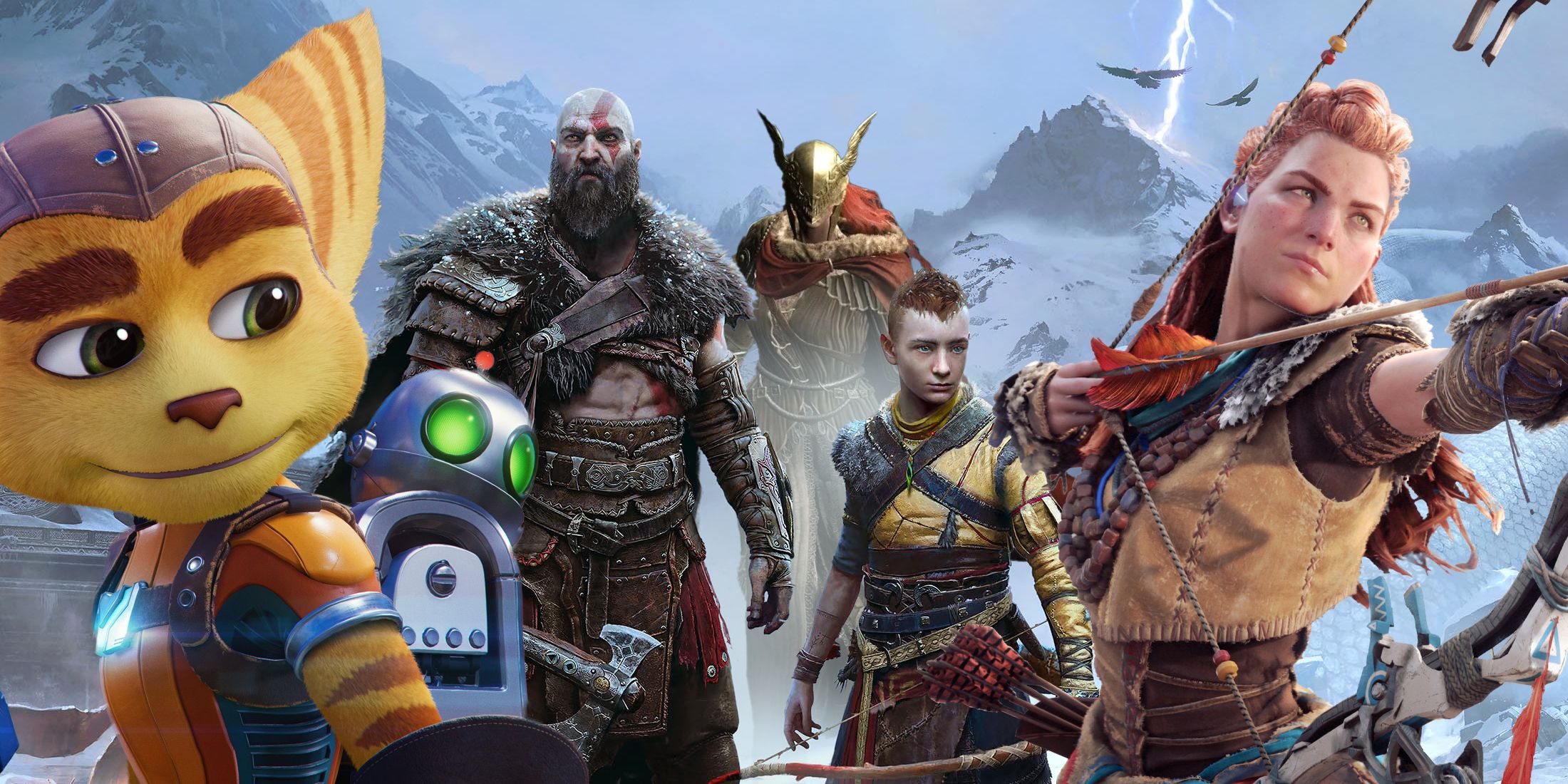
From massively multiplayer online role-playing games (MMORPGs) that simulate entire universes to fast-paced competitive esports titles, online gaming is a socio-technical phenomenon with tangible benefits for cognitive function, social skill development, and creative expression. This article delves into the transformative power of online games, dissecting their rise, their underlying appeal, and the surprising advantages they offer to modern players.
Subtitle 1: The Social Revolution—Connection and Community
The most distinguishing feature of online games is the replacement of single-player isolation with pervasive, global connectivity. These games function as digital third places—spaces outside of home and work where social bonds are formed and maintained.
Building Global Friendships
Online games, particularly MMORPGs and competitive team-based games, rely on sustained interaction. Players form “guilds” or “clans” that require commitment, trust, and shared long-term goals. These virtual associations often blossom into real-world friendships, providing support networks that transcend language and cultural barriers. The sense of belonging to a cohesive, goal-oriented unit is a primary driver of player retention and satisfaction.
Developing Communication Skills
Effective performance in many online games, such as Multiplayer Online Battle Arenas (MOBAs) or tactical shooters, demands rapid, precise, and articulate communication. Players must coordinate complex strategies, relay critical information about enemy movements, and provide constructive feedback—all within milliseconds. This process sharpens both verbal and non-verbal communication skills, teaching players to be efficient, decisive, and persuasive under pressure.
Learning Digital Citizenship
Interacting with a diverse global community teaches players valuable lessons in digital citizenship, including conflict resolution, respect for differing opinions, and managing toxic behavior. Moderated environments and community-enforced rules encourage cooperative behavior and penalize disruptive actions, preparing individuals to navigate complex online social structures.
Subtitle 2: Cognitive Enhancement and Skill Mastery
The complexity and demands of many popular online games provide a unique form of cognitive training that yields measurable improvements in real-world performance.
Strategic Thinking and Resource Management
Games like real-time strategy (RTS) titles or economic simulation games require players to manage multiple resources simultaneously, allocate budgets, plan development queues, and execute long-term strategies. This process significantly enhances executive function, promoting the ability to switch tasks efficiently, prioritize goals, and plan several steps ahead.
Improved Reaction Time and Visual Processing
Competitive online games often demand split-second decision-making and high levels of visual acuity. Studies have shown that professional and habitual online gamers exhibit enhanced spatial attention and faster reaction times than non-gamers. They become adept at processing information in cluttered visual fields and quickly identifying relevant threats or opportunities.
Resilience and Goal Setting
Online gaming provides a continuous cycle of failure and achievement. Players learn the value of iterative improvement, perseverance in the face of defeat, and the necessary discipline to practice complex mechanics until mastery is achieved. This resilience, coupled with the process of breaking down large, in-game objectives (like reaching a high competitive rank or defeating a difficult raid boss) into manageable steps, is a powerful lesson in goal-setting applicable to academic and professional life.
Subtitle 3: Economic and Creative Ecosystems
The success of online games has given rise to massive creative and economic ecosystems that support a new generation of digital entrepreneurs and content creators.
The Creator Economy
The rise of platforms like Twitch and YouTube has integrated gaming with the creator economy. Professional streamers, esports athletes, and content creators monetize their skills and personalities, turning entertainment into a viable career path. This ecosystem encourages creativity in content production, commentary, and community engagement.
Modding and Design
Many successful online games maintain vibrant “modding” communities where players develop custom content, alter game mechanics, or design entirely new experiences. This informal environment acts as a training ground for future software developers, game designers, and graphic artists, allowing them to hone technical skills and collaborate on complex creative projects.
Conclusion: A Dynamic Platform for Growth
Online games are far more than leisure activities; they are dynamic, challenging, and profoundly social platforms that foster personal growth and global collaboration. They represent a new frontier where entertainment intersects with education, professional development, and community building.
By demanding high-level strategic thinking, promoting effective communication, and offering safe spaces for social interaction across the globe, online games provide skills that are highly valued in the 21st-century workforce and society. The connected playground is here to stay, and understanding its benefits is key to appreciating its ongoing cultural and educational significance.