War games occupy a unique and intellectually demanding niche in the entertainment landscape. Far removed from the twitch reflexes and fast-paced action of first-person shooters, this genre centers on simulation, strategy, and logistics. Whether played across intricate tabletop hex maps or within complex digital environments, war games demand deep analytical thought, long-term planning, and a profound appreciation for the interconnected systems that govern conflict, history, and economics.
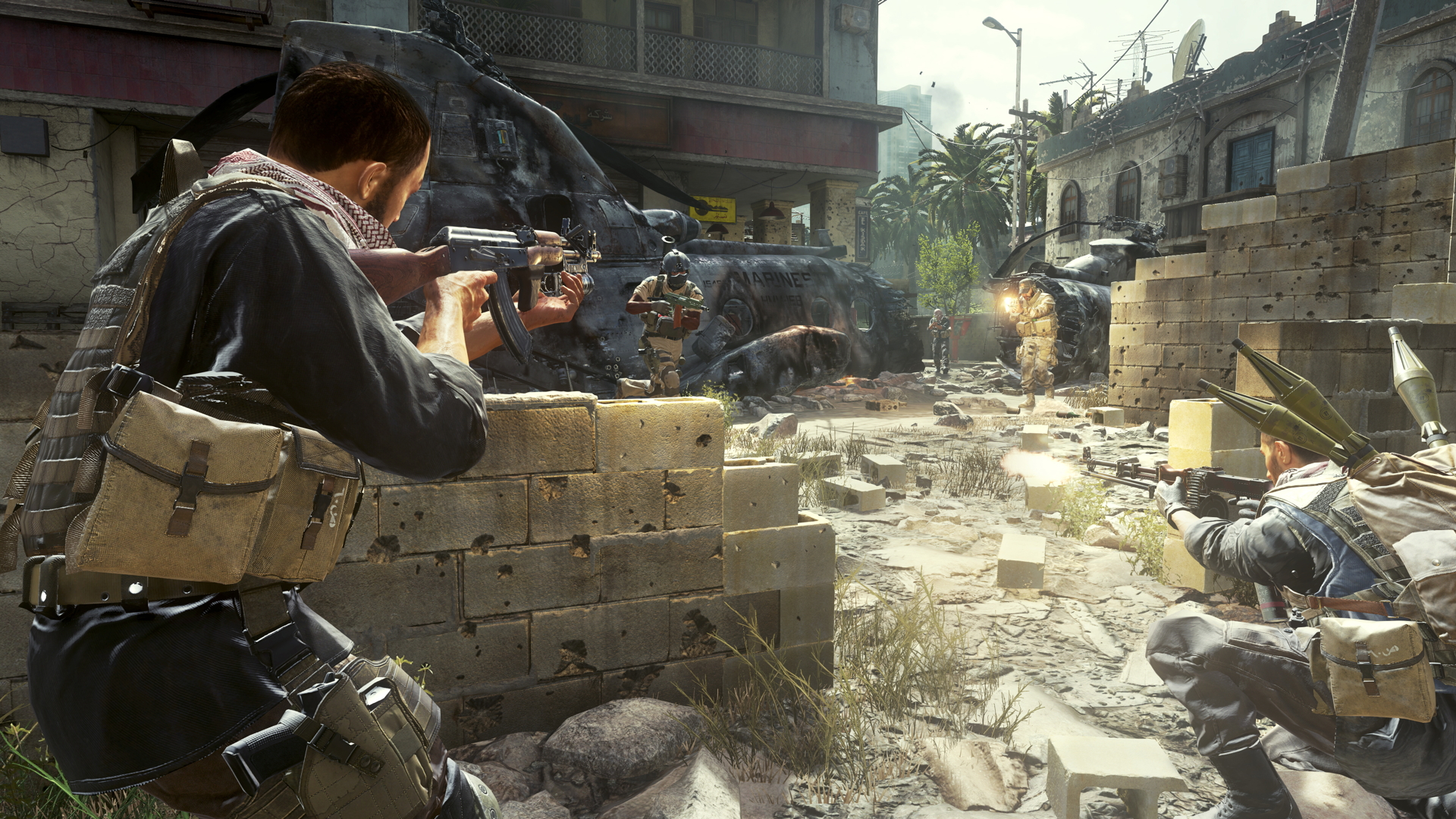
The true engagement of a war game is cerebral; it’s a mental exercise where victory is earned not through rapid mouse clicks, but through the superior management of resources, the mastery of rulesets, and the rigorous application of doctrine. This article delves into the cognitive benefits, the historical immersion, and the sophisticated design principles that make war games a compelling and enriching genre for the dedicated strategist.
Subtitle 1: The Dissection of Conflict—Beyond the Battlefield
War games are essentially models of reality. They distill complex, messy conflicts into manageable systems of rules, statistics, and variables. This systemic approach is where their educational and cognitive value truly lies.
Systems Thinking and Complexity
The best war games, particularly those in the Grand Strategy and 4X (eXplore, eXpand, eXploit, eXterminate) subgenres, require players to manage multiple, interacting systems simultaneously. A decision made in the military sphere—such as launching an invasion—immediately affects the diplomatic, economic, and internal political spheres.
- Logistics as Destiny: Players quickly learn the brutal truth that logistics often dictates the outcome of a war. Moving troops requires fuel, supplying them requires transport, and sustaining the supply chain demands economic investment. A successful campaign is less about brilliant maneuvers and more about secure, efficient supply lines. This complex balancing act sharpens skills in systems thinking and resource allocation under constrained conditions.
Probability and Risk Assessment
In many detailed war simulations, combat outcomes are never certain. They are often determined by dice rolls, terrain modifiers, and unit morale—all based on probabilistic modeling.
- Players must calculate the odds of success before committing forces.
- They must assess the acceptable level of risk when faced with an uncertain enemy position (the “fog of war”).
This constant need to evaluate risk based on incomplete data is a skill highly valued in fields like finance, military planning, and business strategy.
Subtitle 2: The Interactive History Lesson
For enthusiasts, war games offer an unparalleled level of historical immersion by transforming historical events from static facts into dynamic, interactive problems.
Stepping into the Commander’s Shoes
Playing a historically accurate war game forces the player to contend with the actual challenges and constraints faced by commanders of the era. A game set during World War I might illustrate the devastating impact of machine guns and trench warfare on traditional maneuver doctrine. A game set in the Napoleonic Wars might highlight the critical importance of cavalry screening or the delays inherent in battlefield communication.
- Understanding Constraints: The game’s rules enforce historical limitations, such as limited range, technology ceilings, or geopolitical reality. This active engagement creates a deeper, more nuanced understanding of why certain historical outcomes occurred. It allows the player to appreciate the “why” behind the historical narrative, rather than just memorizing the “what.”
Testing the “What Ifs”
War games provide a safe, analytical sandbox for testing counterfactual history. What if Germany had invaded Britain in 1940? What if Hannibal had successfully taken Rome? By altering historical decisions and watching the simulated results unfold, players gain insight into the fragility of history and the critical nature of key turning points. This encourages high-level critical analysis of political and military causality.
Subtitle 3: The Cognitive Demands of Real-Time Strategy
While high-level tactical shooters certainly demand reflexes, Real-Time Strategy (RTS) war games combine high-speed execution with profound strategic depth, demanding total mental engagement.
- The Macro and the Micro: A successful RTS player must maintain simultaneous control over two opposing scales: the macro-level (economic development, technology research, base expansion) and the micro-level (precise positioning and execution of individual unit maneuvers in combat).
- Information Overload Training: RTS games are a masterclass in managing information overload. The player must constantly process alerts, track resource meters, monitor the entire map for enemy activity, and issue hundreds of commands per minute—all skills that boost multitasking capabilities and attentional switching.
This genre requires the player to be both the CEO, managing the budget and R&D, and the field general, directing minute-by-minute combat, making it a uniquely demanding cognitive experience.
Conclusion: A Mind Game of Consequence
War games represent the pinnacle of strategic gaming. They offer an escape that is intensely intellectual, demanding players master complex systems, assess probability, and manage vast logistics under the crushing weight of consequence.
By transforming historical and hypothetical conflicts into engaging, rule-based systems, these games provide profound cognitive benefits—sharpening strategic foresight, enhancing analytical thinking, and offering deep, interactive lessons in history and human behavior. They are proof that in the digital world, the most compelling victories are those won not with speed and aggression, but through patient, deliberate, and superior application of intellect.