In an era defined by photorealistic graphics, massive open worlds, and complex online communities, a powerful counter-movement continues to thrive: the love for retro games. These digital artifacts from the 1970s, 80s, and 90s—spanning arcade classics, early console masterpieces, and pioneering PC titles—represent more than just nostalgia. They embody fundamental design principles, historical significance, and a unique style of gameplay that modern games often overlook.
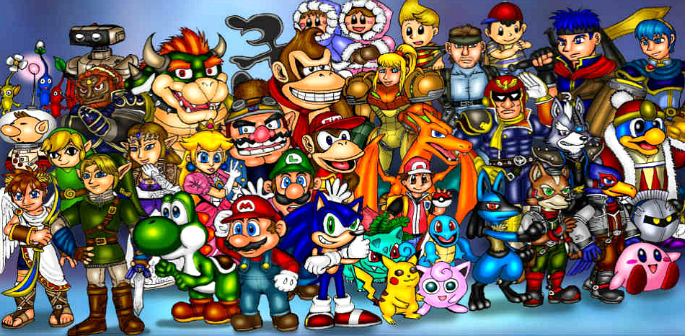
The resurgence of retro gaming, fueled by re-releases, emulation, and dedicated fan communities, proves that simple, elegant design and compelling mechanics can easily transcend technological limitations. This article delves into the core reasons behind the enduring appeal of retro games, highlighting the unique benefits they offer to contemporary players and the vital role they play in preserving the history of interactive entertainment.
Subtitle 1: The Beauty of Constraint and Purity of Design
One of the most compelling characteristics of retro games is their inherent technological limitation. Early developers had finite processing power, limited color palettes, and tiny amounts of memory to work with. This constraint, paradoxically, fueled intense creativity.
Focused Gameplay Loops
Because developers couldn’t rely on lengthy tutorials, complex cutscenes, or sprawling environments, they were force to perfect the core gameplay loop. Retro games often feature pure, immediate concepts: jump on enemies, clear the screen, score points.
- Example: Pac-Man or Tetris: These games are instantly understandable but infinitely complex to master. They strip away complexity, leaving only the challenge of timing, pattern recognition, and strategic movement. This focus on core mechanics makes them eternally replayable and accessible.
Design Elegance
The graphical limitations of the era necessitated extreme design elegance. Artists had to convey emotion, action, and environment using only a handful of pixels. This forced economy of design created iconic characters and art styles that are instantly recognizable and deeply appealing. Today, this aesthetic—known as pixel art—is celebrated for its stylized clarity and charm, proving that artistic success is not dependent on rendering power.
Subtitle 2: Accessibility, Challenge, and the Skill Gap
Retro games offer a unique blend of immediate accessibility and profound, uncompromising difficulty that appeals to both casual and dedicated gamers.
Low Barrier to Entry
Unlike modern titles that require hours of tutorials and complex controller mapping, most retro games can be picked up and played in seconds. This immediacy makes them ideal for short bursts of play or for introducing gaming to novices. The simple D-pad and two-button configurations are intuitive and easy to master.
The Unforgiving Difficulty Curve
While easy to start, retro games are notoriously difficult to master. They often lacked the save features and easy modes common today, meaning progress relied entirely on player skill, memorization, and perseverance.
- The “Quarter-Muncher” Mentality: Arcade games were designed to be tough to earn more money. This philosophy carried over into early console games, creating what are now known as “Nintendo Hard” titles. Mastering these games provides a deep, satisfying sense of accomplishment that is intrinsically tied to overcoming a genuine, steep challenge.
This blend of simple controls and high challenge ensures that retro games always reward player skill over graphical fidelity or hours spent grinding.
Subtitle 3: Cultural Nostalgia and Digital Preservation
The emotional connection many adults feel toward retro games is a significant driver of their popularity, linking personal history with technological history.
Shared Cultural Touchstones
For many, retro games are inseparable from fond memories of childhood: huddling around a console with friends, trading tips, or experiencing the wonder of a new game for the first time. Playing these games today is a form of time travel, recreating the shared cultural moments that defined a generation. This nostalgic factor drives the market for classic console re-releases and emulation platforms.
Preserving Interactive History
Retro gaming is also a vital act of digital preservation. As original hardware inevitably fails and physical media degrades, fan communities and dedicated foundations work tirelessly to archive and make classic titles playable on modern platforms. This effort ensures that the foundational works of the interactive medium—the games that pioneered genres, storytelling techniques, and control schemes—remain accessible for future generations of players, designers, and historians.
Conclusion: The Timelessness of Good Design
The continued vitality of the retro games market confirms a powerful truth: great game design is timeless. The enduring appeal of Super Mario Bros., The Legend of Zelda, or Doom has nothing to do with their pixel counts and everything to do with their mastery of core mechanics, their elegant solutions to technological constraints, and their ability to forge a deep, personal connection with the player.
Retro games offer a needed palate cleanser from the sprawling complexity of modern titles. They remind us that creativity thrives under limitation and that the ultimate measure of a game’s worth is the joy and challenge it provides, regardless of its age. By embracing the past, we gain a deeper appreciation for the foundations of the digital future.