The Art of Virtual Warfare: Why War Games Continue to Fascinate Players Worldwide

Conflict has been a central theme in human storytelling for thousands of years, from ancient epic poems to modern cinematic blockbusters. It is no surprise, then, that war games represent one of the oldest, most successful, and deeply layered genres in the history of interactive entertainment. Long before video games existed, military commanders used physical board games and miniatures to map out strategies and simulate historical battles.
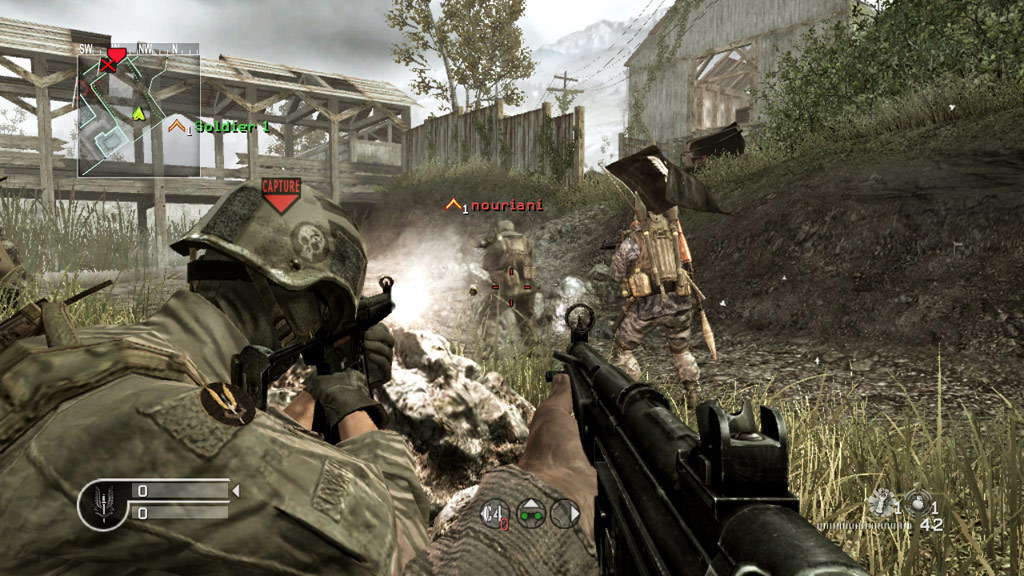
Today, digital war games have evolved into a massive industry. They range from fast-paced, adrenaline-fueled first-person shooters to deeply complex grand strategy simulators that require hours of careful planning. This article explores the unique appeal of virtual warfare, categorizes the distinct types of war games available today, examines their surprising cognitive benefits, and looks at how the genre balances historical accuracy with entertainment.

The Complex Appeal: Why We Play War Games

To the casual observer, war games might seem to be purely about … Read more

Exploring the Educational and Cognitive Depth of War Games

War games, as a distinct and deeply analytical genre, offer a unique form of interactive entertainment that transcends mere digital violence. Whether conducted on elaborate tabletop maps or within complex real-time strategy (RTS) video game environments, these games are fundamentally simulations of conflict, requiring players to engage with logistics, resource management, historical context, and high-level strategic thinking. They demand not only quick reflexes but also deliberate, long-term planning.

Far from being solely adrenaline-driven action, the true core of a successful war game experience lies in the mental exercise it provides. It is an exploration of cause and effect, where every decision—from troop placement to economic expenditure—carries significant weight and consequence. This article delves into the diverse types of war games, dissecting their cognitive benefits, their educational value in understanding history, and the reasons why they remain a compelling, mentally stimulating genre for dedicated strategists.


Subtitle 1: The Spectrum of

Read more