In an era dominated by photorealistic graphics, massive open worlds, and hyper-fast internet connectivity, a quiet revolution is taking place. Millions of gamers worldwide are turning away from cutting-edge consoles and stepping back in time. They are dusting off old hardware, loading up emulators, and hunting down cartridges from the 1980s and 1990s.
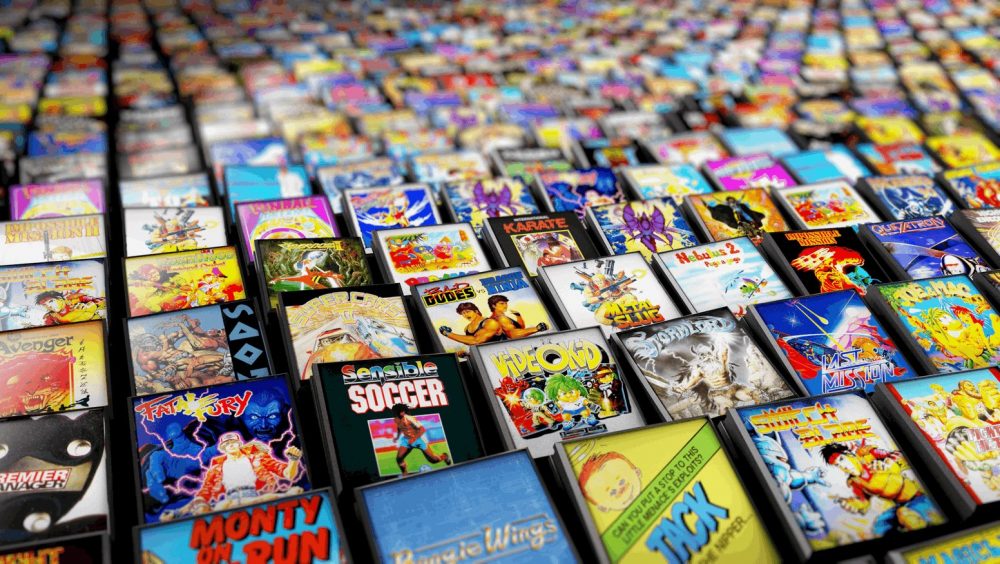
Retro gaming is no longer just a niche hobby for collectors; it has grown into a massive cultural phenomenon. From the iconic chiptunes of early platformers to the charmingly blocky polygons of early 3D titles, old-school video games possess a timeless appeal that modern blockbusters often struggle to replicate. This article explores the enduring magic of retro games, the reasons behind their massive resurgence, and why their design principles still matter today.
Defining the Golden Eras: What Counts as Retro?
While the definition of “retro” shifts as time marches forward, the term generally refers to video games released during the first five to six generations of gaming consoles.
The 8-Bit and 16-Bit Eras
The late 1980s and early 1990s represented the absolute pinnacle of 2D pixel art. Consoles like the Nintendo Entertainment System (NES), Sega Genesis, and Super Nintendo (SNES) forced developers to work within incredibly tight hardware limitations. Every single pixel and sound channel had to be utilized with absolute precision, resulting in some of the most memorable character designs and melodies in entertainment history.
The Dawn of 3D Gaming
The mid-to-late 1990s introduced the world to the third dimension via the Sony PlayStation, Nintendo 64, and Sega Saturn. While early 3D graphics could be jagged and awkward, this era was a goldmine of raw experimentation. Developers were inventing new gameplay genres, camera mechanics, and storytelling techniques from scratch, giving birth to franchises that still dominate the industry today.
The Psychology of the Retro Revival: Why We Go Back
The massive popularity of vintage gaming isn’t an accident. It is driven by a combination of human psychology, accessibility, and unique design philosophy.
Pure Nostalgia and Emotional Comfort
For older gamers, playing a classic title is a digital time machine. Loading up a game from childhood instantly triggers a wave of comfort, transporting the player back to a simpler time of weekend mornings and couch co-op sessions with friends. For younger generations who didn’t grow up in that era, retro games offer a sense of “historical romanticism”—a chance to experience the roots of modern gaming culture.
Simplicity and Instant Gratification
Modern games are fantastic, but they can also be exhausting. Many contemporary titles require downloading massive hundred-gigabyte patches, sitting through twenty-minute unskippable tutorials, and managing complex menus, skill trees, and microtransactions before the fun actually begins. Retro games offer the beautiful antithesis of this. You turn the system on, press start, and you are playing instantly. The mechanics are simple to learn, yet incredibly satisfying to master.
The Masterclass of Limitation: Gameplay Over Graphics
When developers in the 20th century couldn’t rely on cinematic visuals or voice acting to sell a game, they had to rely on something far more important: core gameplay loops.
Masterful Level Design
Without the luxury of expansive open worlds, older games had to be tightly paced and meticulously designed. Every enemy placement, jumping platform, and hidden secret was engineered to challenge the player’s reflexes and spatial awareness. This strict focus on pure mechanical execution created a level of engagement that keeps players coming back decades later.
The Appeal of High Difficulty
Many retro games are notoriously difficult—a trait often referred to as “Nintendo Hard.” Because early cartridges had limited memory space, games were made intentionally difficult to prevent players from beating them too quickly. Overcoming these steep challenges requires patience, practice, and memorization, offering a profound sense of genuine accomplishment that modern hand-holding mechanics often dilute.
The Legacy: How Old Games Shape the Future
The influence of retro gaming extends far beyond preserving old software. It has actively shaped the modern independent gaming movement (indie games).
Many of the most critically acclaimed and commercially successful indie titles of recent years utilize retro aesthetics and philosophy. Developers use pixel art, side-scrolling mechanics, and chiptune soundtracks not because they lack resources, but because they recognize the artistic value of those constraints. By marrying old-school design principles with modern quality-of-life improvements, they create experiences that feel both wonderfully nostalgic and thrillingly fresh.
Conclusion
Retro games are much more than relic pieces of outdated technology; they are the foundations of a global art form. Their enduring popularity proves that brilliant game design, memorable soundtracks, and pure, unadulterated fun do not have an expiration date. Whether you are looking to relive your childhood memories or discover the historical roots of your favorite modern franchises, stepping into the world of retro gaming is a rewarding journey. Turn off the 4K displays, forget about the online leaderboards for an evening, and experience the timeless magic that started it all.