Conflict has been a central theme in human storytelling for thousands of years, from ancient epic poems to modern cinematic blockbusters. It is no surprise, then, that war games represent one of the oldest, most successful, and deeply layered genres in the history of interactive entertainment. Long before video games existed, military commanders used physical board games and miniatures to map out strategies and simulate historical battles.
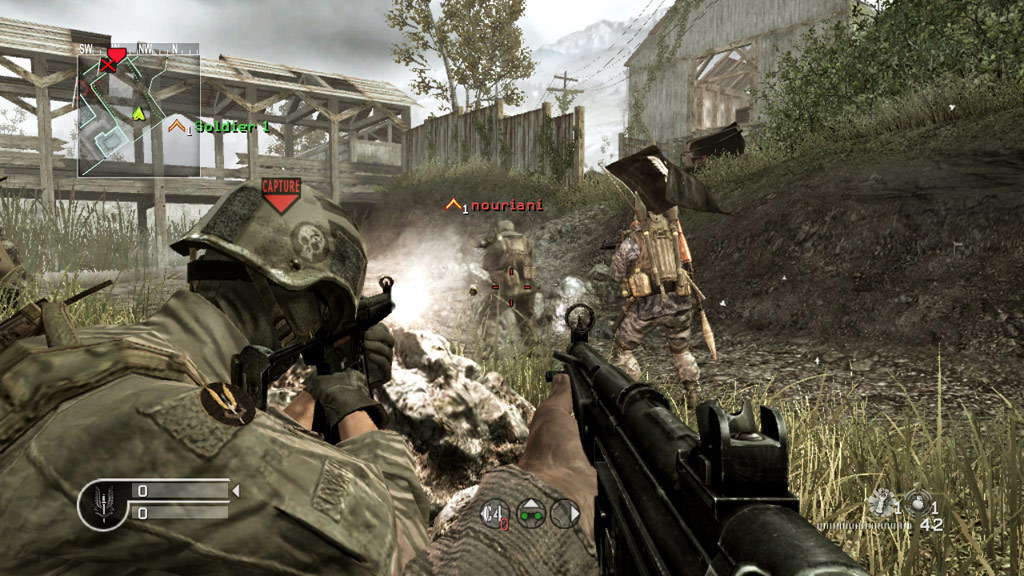
Today, digital war games have evolved into a massive industry. They range from fast-paced, adrenaline-fueled first-person shooters to deeply complex grand strategy simulators that require hours of careful planning. This article explores the unique appeal of virtual warfare, categorizes the distinct types of war games available today, examines their surprising cognitive benefits, and looks at how the genre balances historical accuracy with entertainment.
The Complex Appeal: Why We Play War Games
To the casual observer, war games might seem to be purely about action and destruction. However, the psychological draw of the genre runs far deeper than simple digital combat.
The Ultimate Test of Strategy and Intellect
At their core, war games are massive interactive puzzles. They present players with high-stakes scenarios where resources are limited, the enemy is unpredictable, and every decision carries immediate consequences. Winning a war game is rarely about brute force; it is about outsmarting an opponent, managing logistics, anticipating movements, and executing a flawless plan under pressure.
Safely Exploring History and Human Drama
War games offer a unique, interactive window into the past. They allow history enthusiasts to step into the boots of soldiers or the uniforms of generals who shaped the modern world. By placing the player in these historical scenarios, the games foster a deeper appreciation for the immense challenges, tactical dilemmas, and human sacrifices associated with historical conflicts.
Analyzing the Frontlines: The Major Sub-Genres
The term “war game” encompasses an incredibly broad spectrum of gameplay styles. Depending on whether you prefer to be a soldier on the ground or a commander in a bunker, the genre splits into several distinct categories.
1. Tactical First-Person Shooters (FPS)
These games place you directly in the heat of battle, viewing the conflict through the eyes of an individual combatant.
- The Chaos of Combat: Titles like Call of Duty or Battlefield emphasize fast reflexes, cinematic set-pieces, and large-scale multiplayer battles featuring infantry, tanks, and aircraft.
- Realism and Communication: More tactical shooters, such as Squad or Arma, reject Hollywood action tropes in favor of strict realism. In these games, a single bullet can be fatal, and success depends entirely on clear communication, disciplined teamwork, and authentic military tactics.
2. Real-Time and Turn-Based Strategy (RTS and TBS)
For players who prefer a bird’s-eye view of the battlefield, strategy games offer total control over armies, economies, and military production.
- Managing the Macro: In classic real-time strategy games like StarCraft or the Age of Empires series, players must simultaneously gather resources, build bases, and command troops in the middle of ongoing live battles.
- Calculated Moves: Turn-based strategy games, such as the Civilization or Total War series, remove the pressure of real-time clicking. Instead, they allow players to treat the battlefield like a complex chess match, carefully calculating the positioning and logistics of their forces before ending their turn.
3. Grand Strategy and Wargaming Simulators
Grand strategy represents the most complex tier of the genre, where military conflict is merely one part of a larger geopolitical machine.
- Total Global Control: In games developed by studios like Paradox Interactive—such as Hearts of Iron—players manage an entire nation during wartime. You are responsible not just for moving armies, but also for handling international diplomacy, domestic political stability, industrial manufacturing, and scientific research.
The Cognitive and Practical Benefits of Strategic Play
While war games are a form of entertainment, they also demand and develop high-level cognitive skills that are highly applicable to real-world scenarios.
Enhancing Critical Thinking and Risk Assessment
Playing strategy-heavy war games trains the brain to evaluate risks dynamically. Players must constantly weigh the potential benefits of an offensive move against the vulnerability of their defenses. This constant calculation refines long-term planning skills and teaches players how to make rational decisions in highly stressful, fast-moving environments.
Leadership and Group Coordination
In multiplayer war games, a chaotic team is a losing team. To win, players must learn how to establish a clear chain of command, delegate responsibilities, communicate concise information, and trust their teammates to execute their roles. These are identical to the core principles of corporate project management and organizational leadership.
Balancing Authenticity and Entertainment
One of the greatest challenges for developers of war games is finding the sweet spot between historical accuracy and fun. A game that is too realistic might become tedious, requiring hours of virtual supply-line management before a single shot is fired. Conversely, a game that ignores history completely risks alienating fans who appreciate the context of the conflict.
The best war games respect their source material while remembering that they are, first and foremost, games. They use authentic uniforms, realistic weapon mechanics, and accurate geographic maps to build immersion, but they streamline the mechanics to keep the gameplay loop engaging and rewarding.
Conclusion
War games are far more than digital simulations of conflict; they are sophisticated platforms for strategy, historical exploration, and intense collaborative problem-solving. Whether you are leading a squad through a tense urban firefight, managing the complex economy of a nation in crisis, or carefully positioning your digital cavalry on a historical battlefield, the genre offers an unparalleled intellectual and emotional challenge. By testing our limits, demanding our best strategic thinking, and bringing players together in a spirit of intense competition, war games ensure their position as a permanent, deeply respected pillar of gaming culture.